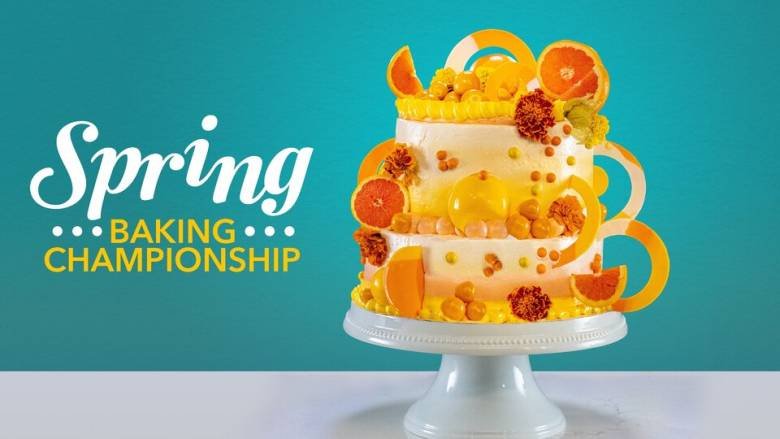
The smell of warm vanilla, the vibrant zest of citrus, the crisp snap of a perfectly baked cookie—these are the sensory hallmarks of spring, and they're precisely what makes the Spring Baking Championship such an exhilarating watch. Every season, bakers push the boundaries, transforming simple ingredients into edible works of art. If you're ready to bring that competitive spirit into your own kitchen, diving into Spring Baking Championship 2025 Inspired Recipes & Baking Techniques is your ultimate blueprint. This isn't just about recreating a specific cake; it's about internalizing the mastery, the creativity, and the sheer joy of spring baking that defines the show.
Ready to bake like a champion, or at least confidently tackle those intricate flavors and stunning presentations? Let's get started.
At a Glance: Your Spring Baking Championship Playbook
- Embrace Seasonal Flavors: Learn to highlight fresh spring produce—berries, rhubarb, citrus, herbs—as the star of your desserts.
- Master Foundational Techniques: Precision in measurement, temperature control, and ingredient understanding are non-negotiable for championship-level results.
- Elevate Classic Recipes: Take familiar comfort foods, like an upside-down pineapple cake or blondies, and infuse them with sophisticated twists.
- Think Beyond Sweet: Explore the intriguing world of sweet-and-savory pairings, a common and often winning strategy on the show.
- Perfect Your Presentation: Understand that a dessert's visual appeal is almost as crucial as its taste. Learn plating and decorating tricks.
- Develop Adaptability: Baking challenges demand quick thinking. Cultivate your ability to pivot, substitute, and troubleshoot on the fly.
Decoding the Spring Baking Championship Magic
What is it about the Spring Baking Championship that captivates us year after year? It's more than just beautiful desserts; it's the ingenious fusion of classic baking with daring innovation, often centered around the vibrant produce and celebratory themes of spring. From delicate floral notes to bright, zesty fruits, the show consistently challenges bakers to think outside the box while nailing the fundamentals. Think of it as a masterclass in turning everyday ingredients into extraordinary experiences.
The champions aren't just great bakers; they're storytellers, artists, and scientists all rolled into one. They understand how flavors interact, how textures play off each other, and how a stunning visual can elevate a simple treat into an unforgettable indulgence. This philosophy is what we're bringing to your kitchen, helping you bake with purpose and flair. You can find more about the season's buzz and behind-the-scenes insights here: Spring Baking Championship 2025.
Foundational Fixes: Techniques Every Champion Baker Needs
Before you attempt an intricate Honey Butterscotch Fondue or a multi-layered cake, you need to solidify your basics. Even the most complex recipes are built upon fundamental techniques that Spring Baking Championship contestants nail every time.
The Zen of Precision: Measurement is Your Mantra
Baking is chemistry. Unlike cooking, where a pinch of this or a dash of that often works, baking demands accuracy.
- Weight Over Volume: Invest in a digital kitchen scale. Measuring flour by weight (grams) is far more consistent than by volume (cups), which can vary wildly depending on how you scoop. This prevents dense cakes or dry cookies.
- Leveling Up: Always level dry ingredients with a straight edge, like the back of a knife, after scooping them into your measuring cup. Don't pack flour unless the recipe explicitly says so.
- Liquids at Eye Level: Measure liquids in transparent cups at eye level to ensure accuracy.
Temperature Talk: The Unsung Hero of Baking
Temperature control isn't just about your oven; it's about your ingredients too.
- Room Temperature Royalty: Many recipes call for room temperature butter and eggs. This isn't just a suggestion! Room temperature butter creams beautifully with sugar, incorporating air for a light texture. Cold eggs can cause batters to curdle.
- Oven Calibration: Does your oven run hot or cold? An inexpensive oven thermometer can be a game-changer. Calibrate or adjust your baking times accordingly. An oven that's too hot can burn exteriors before interiors cook, while one that's too cool can lead to dense, pale bakes.
- Chilling Out: For pastries, tarts, and cookies, chilling dough is often essential. It prevents spreading, develops flavor, and makes dough easier to handle, contributing to a perfect crust, much like the one you'd find in a Summer Squash Tart or Candied Bacon and Pecan Meringue Tart.
Ingredient Intel: Knowing Your Building Blocks
Understanding why certain ingredients are used helps you troubleshoot and even innovate.
- Flour Power: All-purpose, cake, bread—each has a different protein content affecting gluten development. Cake flour (low protein) yields tender cakes like an Almond Cake, while bread flour (high protein) is for chewy breads.
- Fat Facts: Butter, oil, shortening—each contributes unique flavor, moisture, and texture. Butter offers flavor and flakiness, while oil creates moistness.
- Leavening Logic: Baking powder, baking soda, yeast—they all make things rise but work differently. Baking soda needs an acid to activate, while baking powder is double-acting. Don't swap them without understanding the science!
Flavor Forward: Crafting Memorable Combinations
The Spring Baking Championship is a masterclass in flavor innovation. Contestants often take familiar ingredients and pair them in unexpected, yet harmonious, ways. Let's break down some common and winning strategies, inspired directly by the show's past triumphs.
The Allure of Sweet & Savory
This pairing is a consistent winner on the show because it surprises and delights. It creates a complex flavor profile that keeps judges coming back for more.
- Bacon-Jalapeno-Cheddar Cornbread: Jane Soudah’s recipe is a prime example. The smoky, salty bacon, spicy jalapeño, and sharp cheddar contrast beautifully with the inherent sweetness of cornbread.
- Your Takeaway: Don't be afraid to introduce savory elements like herbs (rosemary with lemon, as in Jane Soudah's Lemon-Rosemary Olive Oil Cake), cheeses, or even meats into traditionally sweet applications. A touch of flaky sea salt on a caramel or chocolate dessert is a simple way to achieve this balance.
- Candied Bacon and Pecan Meringue Tart: Dan Langan’s creation takes the bacon-sweet combo to a refined level. The crunch of candied bacon, the nuttiness of pecans, and the sweet, airy meringue with coffee frozen custard—it's a symphony of textures and tastes.
- Your Takeaway: Think about candied nuts, spiced seeds, or even a hint of balsamic glaze to add that unexpected savory depth to your next sweet bake.
Bright & Zesty: The Taste of Spring
Spring flavors are often characterized by freshness and tang. Citrus, berries, and light herbs shine here.
- Almond Cake with Key Lime Buttercream and Raspberry Compote: Susana Mijares’s cake layers bright, tart key lime with the delicate sweetness of almond and the vibrant burst of raspberry.
- Your Takeaway: When using citrus, don't just add juice; incorporate zest for concentrated flavor. Pair with complementary fruits that offer a slightly different acidity or sweetness profile.
- Lemon-Rosemary Olive Oil Cake: Jane Soudah proved that savory herbs have a place in desserts. The herbaceous rosemary elevates the lemon, while olive oil provides a unique moisture and richness, served with blackberry-raspberry ice cream and a black sea salt sugar cookie.
- Your Takeaway: Experiment with fresh herbs like basil, mint, or thyme in your fruit tarts, glazes, or even custards. They can add an unexpected sophistication.
Rich & Decadent: Indulgence Unleashed
Sometimes, you just want to go for pure, unadulterated richness. The champions know how to deliver without being cloyingly sweet.
- Whiskey- and Bitters-Infused Chocolate Cake: Jane Soudah’s decadent creation highlights the power of boozy bakes. The whiskey and bitters add complexity and depth to the chocolate, creating a sophisticated adult dessert.
- Your Takeaway: Alcohol (in moderation) can enhance flavors dramatically. Think rum in banana bread, Grand Marnier in chocolate mousse, or even a beer reduction in a caramel sauce. Don't forget coffee, like in Dan Langan's Coffee Frozen Custard, which deepens chocolate flavors.
- Malted Blondies with Crushed Pretzels: Jane Soudah's blondies are a masterclass in adding dimension to a classic. The malt adds a unique, almost nostalgic richness, and the pretzels contribute a welcome salty crunch.
- Your Takeaway: Malt powder, brown butter, and dark sugars (molasses, muscovado) are your friends for creating deep, caramel-like richness. And remember the power of contrast: a salty pretzel or a sprinkle of sea salt can cut through sweetness beautifully.
Fruity & Fresh: Celebrating Nature's Bounty
Spring is synonymous with fresh fruit, and the show often features desserts that hero these natural jewels.
- Upside-Down Pineapple Cake: Dwayne Ingraham's classic gets a championship upgrade. The trick is to achieve perfect caramelization without burning and to ensure the cake remains moist.
- Your Takeaway: Focus on quality fruit. Roasting or caramelizing fruit can deepen its flavor. Consider adding a touch of spice (like ginger or cinnamon with apples, or cardamom with stone fruits) to elevate the fruit's natural taste. For more ideas on how to bake with the seasons, explore exploring seasonal fruit desserts.
- Vanilla-Brown Butter Cake with Spring Fruit and Berry Compote, Mint Oil and Toasted Marshmallow Sauce: Kenny Magana’s dish is an ode to spring. The brown butter adds nuttiness, while the compote provides freshness, the mint oil a bright herbaceous note, and the marshmallow sauce a comforting sweetness.
- Your Takeaway: Think about complementing fruit with various sauces (fruit coulis, caramel, chocolate), oils (mint oil, basil oil), or even fresh cream. A simple fruit compote can transform a basic cake or shortcake.
Texture Talk: From Delicate to Decadent
Beyond flavor, texture is where many Spring Baking Championship contestants shine. The interplay of crisp, creamy, airy, and chewy creates an exciting experience with every bite.
Crisp & Crumbly: The Satisfying Crunch
- Salted Pecan Cookies (with Honey Butterscotch Fondue): The perfect cookie needs a tender chew and often a slight crispness at the edges. Jane Soudah’s cookies offer that textural contrast when dipped into the smooth fondue.
- Your Takeaway: For cookies, chilling dough can lead to a crisper edge and chewier center. For tarts, the crust is everything. Mastering crafting the perfect pie crust is essential for a truly champion-level dessert.
- Coconut Dacquiose with Hazelnut Cookie (in Red, White and Blue Dessert): Andy Chlebana’s multi-component dessert uses the crunch of a cookie and the delicate texture of dacquoise to create interest.
- Your Takeaway: Consider adding elements like toasted nuts, crushed brittle, or crisp meringues to provide textural contrast to softer components.
Light & Airy: The Cloud-Like Sensation
- White Chocolate Mousse (in Red, White and Blue Dessert): Mousse, often paired with a fruit gelee, provides an ethereal, melt-in-your-mouth experience.
- Your Takeaway: Proper whipping of cream and egg whites is crucial for light textures. Fold, don't stir, to maintain aeration. Gelatin is your friend for stabilizing mousses and gelee.
- Pan di Spagna Birthday Cake: Damiano Carrara's use of a classic Italian sponge cake base shows the versatility of airy cakes, perfect for soaking up flavors and layering with gelato.
- Your Takeaway: Sponge cakes rely heavily on properly whipped eggs for their lift. Don't overmix after adding flour.
Creamy & Smooth: Velvety Indulgence
- Mascarpone Cream Cheese Filling (in Summer Squash Tart): The rich, creamy filling provides a beautiful counterpoint to the delicate crust and fresh vegetables.
- Your Takeaway: Understanding how to make silky smooth custards, curds, and cream cheese fillings is vital. Tempering eggs, slow cooking, and proper chilling are key.
- Honey Butterscotch Fondue: A perfect fondue is all about achieving that smooth, glossy consistency without graininess.
- Your Takeaway: Control heat carefully when making caramel or fondue. For buttercreams, learn the nuances of mastering various buttercream frostings to achieve silky-smooth results.
Dense & Moist: Comforting Richness
- Malted Blondies: A well-made blondie or brownie is dense, chewy, and incredibly moist.
- Your Takeaway: Don't overbake! A slightly underbaked brownie or blondie will be fudgier and more moist. Using melted butter or oil can contribute to a denser, chewier texture compared to creamed butter.
The Art of Presentation: Plating Like a Pro
On Spring Baking Championship, a beautiful dessert isn't just a bonus; it's a requirement. Judges eat with their eyes first. Mastering presentation doesn't mean you need elaborate tools, but it does require attention to detail and a keen eye for aesthetics.
Garnishes & Glazes: The Finishing Touch
- Mint Oil (with Vanilla-Brown Butter Cake): Kenny Magana's use of mint oil not only adds flavor but also a vibrant pop of green.
- Your Takeaway: Think about edible flowers, fresh herbs, candied citrus peel, chocolate shavings, or a delicate drizzle of sauce. These small details can elevate a simple cake to something truly special.
- Mirror Glaze on Cakes: While not explicitly mentioned in the recipes, mirror glazes are a championship staple, giving cakes a stunning, professional sheen.
- Your Takeaway: Practice makes perfect with glazes. Ensure your cake is well-chilled for a smooth application.
Layering & Assembling: Building a Masterpiece
- Red, White and Blue (White Chocolate Mousse, Blueberry Gelee, Coconut Dacquiose with Hazelnut Cookie): Andy Chlebana’s layered dessert showcases how different components, each with its own color and texture, can build a visually dynamic and delicious whole.
- Your Takeaway: Use cake rings or acetate strips for clean layers. Plan your components so they complement each other in size, color, and texture. Think about positive and negative space on the plate.
- Hawaiian Lei Wedding Cake: Jane Soudah’s intricate cake is a testament to thematic decoration. It's not just a cake; it's a centerpiece.
- Your Takeaway: Consider the theme or occasion. How can your decoration tell a story or evoke a feeling? Use natural elements like fresh flowers (food-safe, of course!), or thoughtfully placed fruit.
Dessert Nachos: Deconstructed Creativity
Audrey McGinnis’s Dessert Nachos are a brilliant example of taking a familiar concept and deconstructing it for a playful, yet elegant, presentation.
- Your Takeaway: Don't be afraid to break apart traditional forms. A deconstructed pie, a tart "taco," or a "nacho" style dessert can be incredibly engaging and often easier to execute than a perfectly whole item. Think about arranging components artfully on a platter rather than a single plate.
Beyond the Recipe: Cultivating Your Inner Champion Baker
The true secret to success on Spring Baking Championship isn't just following a recipe; it's about developing a baker's intuition and resilience.
Adaptability & Problem-Solving: The Pressure Cooker Mentality
Even the best bakers make mistakes. What sets champions apart is their ability to recover. Did your buttercream curdle? Can you save it? Is your cake underbaked? Can you fix it?
- Your Takeaway: Don't panic. Learn common troubleshooting techniques. For instance, if a ganache splits, often gentle warming and whisking can bring it back. If a cake collapses, perhaps it becomes the base for a trifle or a "deconstructed" dessert. This kind of flexibility is a hallmark of advanced baking techniques to elevate your game.
Ingredient Sourcing: Quality Matters
Jane Soudah’s Lemon-Rosemary Olive Oil Cake wouldn't be the same with low-quality olive oil. The quality of your ingredients directly impacts the final product.
- Your Takeaway: Seek out the best ingredients you can reasonably afford. Fresh, ripe fruit; high-quality chocolate; good butter; and organic eggs can make a noticeable difference in flavor. Visit local farmers' markets for seasonal produce.
Practice & Patience: The Baker's Journey
No one bakes a perfect Hawaiian Lei Wedding Cake on their first try. The champions have countless hours of practice under their belts.
- Your Takeaway: Bake often. Don't be discouraged by failures; learn from them. Keep a baking journal to note what worked, what didn't, and why. Patience is key, especially with processes like dough rising, chilling, or setting.
Troubleshooting Common Baking Blunders (And How SBC Judges Spot Them)
The judges on Spring Baking Championship are experts at identifying even subtle flaws. Understanding common pitfalls can help you avoid them.
- The Dry Cake: Often caused by overbaking, too much flour, or not enough fat/liquid.
- Judge's Note: "It's a bit crumbly and dry, lacking moisture."
- Your Fix: Use a kitchen scale for flour. Set a timer and check for doneness at the earliest recommended time.
- The Dense/Gummy Cake: Usually from overmixing (developing too much gluten) or incorrect leavening.
- Judge's Note: "This has a heavy texture, not quite light and airy."
- Your Fix: Mix until just combined after adding dry ingredients. Ensure your leavening agents are fresh.
- The Pale or Burnt Exterior: Oven temperature issues are often to blame.
- Judge's Note: "The crust is too pale," or "It's a little dark on top."
- Your Fix: Calibrate your oven with a thermometer. Use a baking steel or stone for more even heat transfer.
- The Flat Cookie/Tart: Too much butter (or butter that's too warm), not enough flour, or an oven that's too hot.
- Judge's Note: "This spread out quite a bit."
- Your Fix: Chill your dough thoroughly. Ensure precise measurements.
- The Split Sauce/Curd: Typically from overheating or improper emulsification.
- Judge's Note: "The sauce has broken; it's grainy."
- Your Fix: Cook gently over low heat, whisking constantly. When adding fat (like butter to a curd), incorporate it slowly.
- Lack of Flavor Balance: Too sweet, too bland, or conflicting flavors.
- Judge's Note: "It's one-note," or "I'm not getting that lemon pop."
- Your Fix: Taste your components at every stage (where safe). Use salt to balance sweetness. Don't be afraid to enhance flavors with zest, extracts, or a pinch of spice. Learning secrets from the judges' table can provide invaluable insights.
Your Spring Baking Championship Journey Starts Now
You don't need a panel of celebrity chefs or a ticking clock to embrace the spirit of the Spring Baking Championship. What you need is curiosity, a willingness to experiment, and the confidence to take on new challenges.
Start small. Pick one recipe from the inspired list that truly excites you—perhaps a classic Upside-Down Pineapple Cake or a vibrant Almond Cake with Key Lime Buttercream. Focus on mastering one technique at a time. Perfect your pastry cream, get that cake crumb just right, or nail your ganache.
As you grow more confident, begin to layer on complexity. Experiment with new flavor combinations, play with textures, and elevate your presentations. Soon, you'll find yourself not just following recipes, but truly creating with intention and flair, ready to bake your way to your own championship-worthy desserts. Happy baking!